
What you need to know about school after epilepsy surgery
The Pediatric Epilepsy Surgery Alliance provides free guides, courses, and tools to help parents and educators build an IEP or 504 plan for a child after epilepsy surgery. These resources cover the IEP process, 504 plan advocacy, and the specific classroom effects of hemispherectomy and other major pediatric epilepsy surgeries, including vision, hearing, and auditory processing changes.
Everything on this page is free.
IEP and 504 Plan Fundamentals
Start here if your child is heading into their first IEP or 504 meeting after epilepsy surgery.
- Understanding 504 Plans After Epilepsy Surgery — PESA’s quick guide to advocating for a 504 plan when your child needs classroom accommodations but not specialized instruction, including a model 504 plan and a meeting checklist.
 Navigating the IEP Process — PESA’s free, self-paced course walking parents through the full 7-step IEP process.
- The IEP Process: Step by Step — A companion webpage walking through each of the 7 steps of building an IEP, paired with the course above.
- IEP Goal Tracker — A simple tool for tracking progress on IEP goals between meetings.
- Assessments Spreadsheet — A comprehensive spreadsheet for parents, caregivers, and educators that explains hundreds of educational assessments, age ranges for testing, and why they’re important.
- Using the IEP Goal Bank for Children After Epilepsy Surgery — A step-by-step guide to writing measurable, SMART IEP goals, paired with PESA’s own goal bank covering literacy, math, communication, behavior, and 13 other goal areas specific to kids recovering from epilepsy surgery.
- Special Education Resource Guide – Written for IEP teams, each tab of the spreadsheet covers a wide range of assessments, explains specially-designed instruction, supplementary aids and services, related services, program modifications and supports.

Hemispherectomy
Children who’ve had a hemispherectomy, TPO disconnection, or occipital lobectomy face specific classroom challenges tied to the surgery itself, not just epilepsy in general.
- Education After Hemispherectomy: A Guide for the Educational Team — What teachers and IEP teams should expect after hemispherectomy, including central auditory processing disorder, hyperacusis, and vision changes.
- Hydrocephalus After Hemispherectomy — A fact sheet on a complication that affects roughly 1 in 4 children after hemispherectomy, including symptoms educators and parents should watch for.
Vision changes
- Vision After Hemispherectomy, TPO Disconnection, and Occipital Lobectomy — How vision loss after these surgeries affects daily life and learning, and why an annual neuro-ophthalmology evaluation matters.
- Specialized Instruction, Accommodations, and Aids for Children With Homonymous Hemianopia — Classroom strategies for the specific type of vision field loss common after hemispherectomy, including how it affects reading. Available in English and Spanish.
Hearing and auditory processing
- An Introduction to Cortical Auditory Impairment After Hemispherectomy — Why most children pass a standard hearing test after hemispherectomy but still struggle with central auditory processing disorder in the classroom. Also available in Spanish.
- Strategies for Cortical Auditory Impairment After Hemispherectomy — Practical classroom and therapy strategies for children with auditory processing difficulties after hemispherectomy.
Assistive technology
- Assistive Technology Assessments After Epilepsy Surgery — How to request and prepare for an assistive technology assessment as part of your child’s IEP. Also available in Spanish.
Getting the Right Support in School
- A Parent’s Guide to Getting a One-to-One Aide — One of our most popular blog posts includes sample letters and needs assessments for requesting a 1:1 aide.
- Template Letter: Requesting Your Child’s Full Education File — A template for exercising your federal right to your child’s complete school records.
Transition Planning (Middle School, High School, and Adulthood)
- Educational Transition Guide — A 100+ page guide to using your child’s existing IEP to carry momentum through school transitions, including health transition information and template letters.
- Transition Roadmap for Youth with Neurological Condition — A free, self-paced course (10+ hours) covering education, adult healthcare, and independent living planning.
- Growing Together: Navigating the Life Stage Checklist for Families — A resource list covering IEP transition planning, college resources, and template letters. Paired with a recorded Power Hour webinar walking through the checklist.
Training for Schools
- School Training After Epilepsy Surgery — PESA’s free, self-paced online course for a child’s educational team, covering the effects of surgery on learning, reading, behavior, and sensory processing.
More Resources
- The (Almost) Everything List — PESA’s crowd-sourced, continually updated master list covering decision-making, school, adult life, and financial assistance resources.
- Education After Epilepsy Surgery Facebook Group — A community for parents to connect and share experiences navigating school after epilepsy surgery.
Videos and Webinars
IEPs, Evaluations, and School Advocacy
- Getting Organized for the IEP
- Empowering Parents at IEP Meetings
- Our Education Resources
- Power Hour: Back to School with a 504 Plan or an IEP
- Advocating for Your Medically Complex Child in School
- The Comprehensive Educational Evaluation – An Introduction
- Monitoring Progress on Your Child’s IEP Goals
- IEP Goals – What Can a Parent Do?
- IEPs After Epilepsy Surgery For Beginners – Part 1
- IEPs After Epilepsy Surgery For Beginners – Part 2
- IEPs After Epilepsy Surgery For Beginners – Part 3
- Assessment Areas After Epilepsy Surgery
- Using Our Assessments Spreadsheet
- Comprehensive IEP Evaluations: What Assessments Does My Child Need?
- Paraprofessionals and Aides in the IEP
- The Anatomy of an IEP – Part 1
- The Anatomy of an IEP – Part 2
- Public School, Private School, or Home School – What Works?
Reading, Literacy, and Language
- The Science of Reading: Best Literacy Practices for Struggling Readers
- Teaching Children With Intellectual Disability How To Read (over 19K views!)
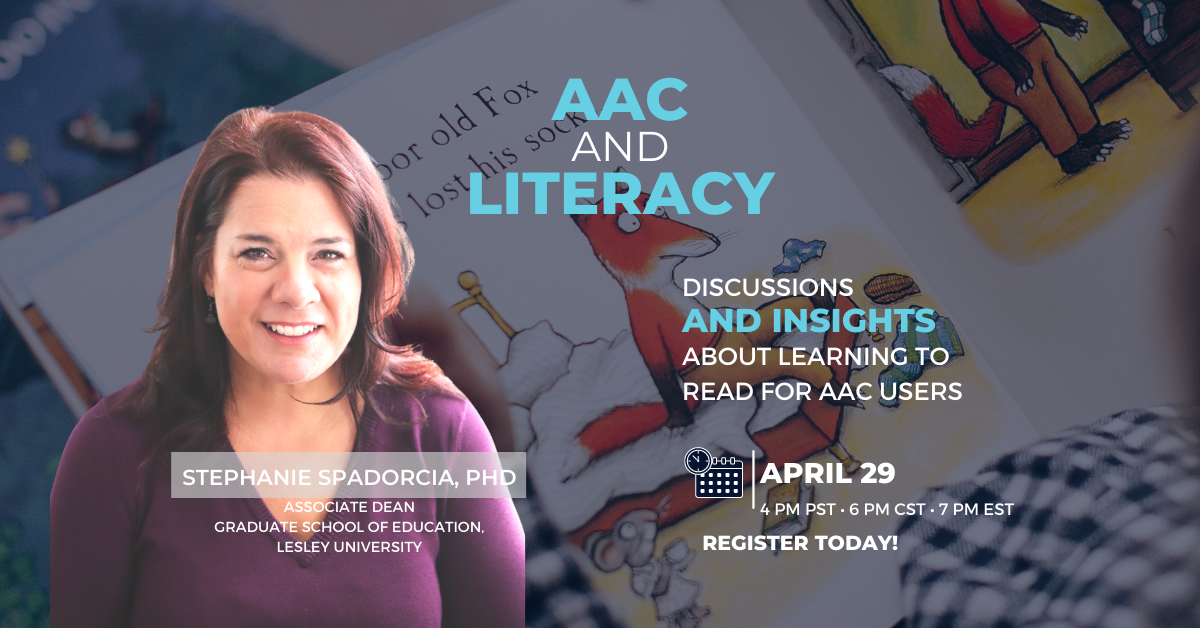
- Literacy and AAC
- AAC and Literacy: An Embedded Approach
- Literacy Acquisition Following Hemispherectomy
- Research-Based Instructional Interventions For Struggling Readers (panel)
- The Reading Brain: Neuroscience and Implications for Assessments After Hemispherectomy
- Right hemispherectomy reading tracking
- Speech and Language • Patricia Walshaw, PhD
- School Based Audiology Assessments After Epilepsy Surgery
Cognitive and Academic Outcomes
- Academic Achievement and IQ • Klajdi Puka, PhD candidate
- Hemispherectomy and Academic Outcomes
- School Performance After Epilepsy Surgery: Working Memory and Cognitive Load
- Educational Outcomes • Michelle Mottern, RN, NP
- Memory After Large Resective/Disconnective Pediatric Epilepsy Surgery • Mary Lou Smith, PhD, CPsych
- Cognitive Outcomes • Ken Lininger, Patient Stakeholder
- Neuropsychological Assessments • Mary Lou Smith, PhD
- Neuropsychological Assessments
- Neuropsychological Assessments After Hemispherectomy
- Higher Cognitive Function In Adults Who Had Hemispherectomy Surgery In Childhood
- Executive functioning and processing after hemispherectomy
Vision and School
- Epilepsy Surgery For Vision Educators
- Vision After Hemispheric Epilepsy Surgery
- Vision challenges and rehabilitation after hemispherectomy
Assistive Technology
- Assistive Technology Tools to Enable Access to Any Environment and Solve Any Problem
- Assistive Technologies
Transition, College, and Path to Employment
- Transition in the IEP – Part 1
- Transition in the IEP – Part 2
- IEP Transition Planning
- Transition University
- Transitioning to Adulthood After Epilepsy Surgery
- Future Planning – How to Prepare for Adulthood & Beyond
- College After Epilepsy Surgery
- College Considerations After Epilepsy Surgery
- Paths to Employment, Part 2 – Training and Education
- Growing Together: Navigating the Life Stage Checklist for Families
Sample Letters and Templates
- Request for Copies of Student’s Educational File — a template letter for exercising your right to your child’s full education record.
- Request for Comprehensive Educational Evaluation After Hemispherectomy
- Request for Independent Educational Evaluation After Hemispherectomy
- Letter From Neurologist or Neurosurgeon to School — Hemispherectomy
- Letter From Neurologist or Neurosurgeon to School — Temporal Lobectomy
Sample Assessments
Real, redacted assessment reports — useful for parents to see what a completed evaluation actually looks like.
- Central Auditory Processing Evaluation (age 9, redacted)
- Central Auditory Processing Evaluation (age 12, redacted)
- Comprehensive Developmental Optometric & Visual Processing Evaluation (age 12, redacted)
- Orientation & Mobility Assessment (age 13, redacted)
- Assistive Technology Assessment (kindergarten, redacted)
Sample Individual Education Plans
Frequently Asked Questions
What’s the difference between an IEP and a 504 plan after epilepsy surgery?
An IEP (Individualized Education Program) provides specialized instruction and is available to children whose disability affects their ability to learn. A 504 plan provides accommodations only, without specialized instruction, for children who don’t require specialized instruction to access their education. PESA’s 504 Plan guide and IEP Goal Bank guide cover both in detail.
Does a child need special accommodations after hemispherectomy?
Most children need some combination of vision, hearing, and processing accommodations after hemispherectomy, even when standard vision and hearing tests come back normal, because the challenges are often related to how the brain processes information rather than the eyes or ears themselves. PESA’s Education After Hemispherectomy guide outlines what educators should expect.
Does PESA offer free training for schools?
Yes. PESA offers free, self-paced, online School Training After Epilepsy Surgery courses designed to help a child’s teacher, aide, or IEP team understand the educational effects of epilepsy surgery.
Is there a free course on the IEP process?
Yes. PESA offers Navigating the IEP Process, a free, self-paced course that covers the full IEP process, from evaluation through goal-writing.
Education Articles




What the research says about IQ and epilepsy surgery
Intellectual quotient, or IQ, measures general intellectual abilities. A person’s IQ is a numerical score that you get after taking standardized tests designed to assess cognitive abilities.
These tests evaluate problem-solving skills, logical reasoning, and the ability to grasp complex concepts. Though the IQ test offers a general indication of intellectual capabilities, it is not a comprehensive measure of a child’s overall intelligence or potential.
Typically, average IQ scores range from 85 to 115.
IQ and epilepsy
Studies show that children with epilepsy display a wide range of IQ scores.
- 40% of these children present with significant cognitive problems, including possible intellectual disability.
- Three out of four children have academic issues and 42% show underachievement based on their IQ.
IQ after pediatric epilepsy surgery
There are several potential cognitive outcomes after epilepsy surgery:
- No change: The child continues to develop as before, but due to normal age-related progress in the general population, the gap between the child and typical development may increase.
- Deficit loss: A decline in IQ and academic skills is observed post-surgery.
- Cognitive slowing halts: Post-surgery, the child’s development pace aligns more with typical children, maintaining their IQ scores.
- Accelerated development: The child develops faster than peers, narrowing the gap.
Various studies show little change in IQ or academic skills 1-2 years after surgery. That’s why it’s important to be patient with the child’s progress in school. It can take time to see improvements the first few years after surgery.
More recent studies indicate improvements in IQ in 30-40% of children. Children after hemispheric surgery, for example, have better cognitive outcomes if:
- Their seizures are under control
- The other side of their brain looks normal
- They had a higher IQ before the surgery
- They had epilepsy for a shorter time before surgery
- They were older when they had the surgery
Studies focused on hemispherectomies indicate that the majority achieve seizure control, and 29% showed improvements in IQ.
Current research is inconsistent. Follow-up periods vary and different tests are used from study to study. This means that we still cannot predict a child’s IQ after surgery, especially after big surgeries like hemispheric surgery, posterior quadrant resection, and lobectomies.
Although there’s limited high-quality data available, the majority of the children seem to have stable or improved IQs post-surgery, and seizure control is often associated with better outcomes.
It’s important that we do more research, especially concerning academic skills, as existing studies only suggest what is possible post-surgery but don’t necessarily demonstrate the surgery’s impact.