
How Does Epilepsy Surgery
Affect Family Mental Health?
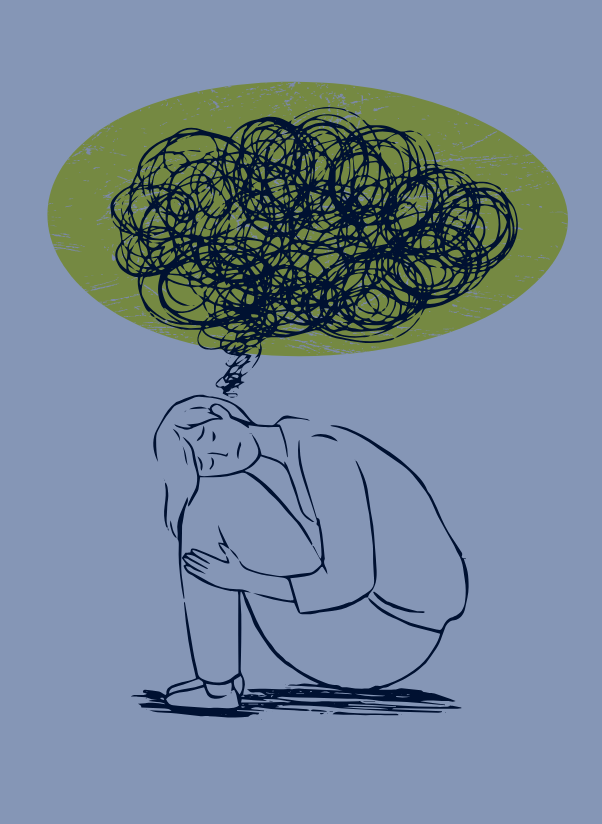
When a child goes through epilepsy surgery, the impact can ripple through the whole family. It often brings heavy emotional stress for parents, anxiety for siblings and extended family members, and for some, a true medical trauma that can stay with everyone.
Research shows that mothers often carry the weight of the stress; many may struggle with mental health challenges.
To help the family heal, support usually includes:
-
Trauma-informed therapy: Specialized methods like ART or EMDR that help the brain process scary medical memories, reduce anxiety, and calm the nervous system.
-
Peer coaching & community connection: Talking with other parents who have walked this exact path.
- Self-compassion & stress management: Practical coping tools, breathing exercises, and guided practices help manage burnout and anxiety.
-
Sibling resources: Giving brothers and sisters their own space to talk about what they have been through.
-
Bereavement & loss support: Supports to help navigate the profound heartbreak of losing a child.
When a family deals with seizures that are hard to control, the constant stress can lead to medical trauma. This is a physical reaction in your body and brain after living with fear and uncertainty for a long time.
When a family deals with seizures that are hard to control, the constant stress can lead to medical trauma. This is a physical reaction in your body and brain after living with fear and uncertainty for a long time.
Common symptoms
It is very common for families living with long-term medical stress to feel like they are always “on edge.” You might find yourself constantly watching for the next seizure, feeling emotionally numb, or struggling with sleep and irritability.
Interestingly, stress often hits a “peak” after the surgery is over. While you might expect to feel relief, research shows that parenting stress may not normalize if you had unrealistic expectations about what your child would be like after surgery, or if seizures continue.


Where to start with therapy
You don’t need to find a therapist who is an expert in epilepsy surgery for them to be a good fit. What matters most is that they understand how trauma works, are willing to learn about your family’s unique situation, and feel comfortable supporting families with complex medical needs.
Many people worry that therapy means reliving every hard moment. Instead, it often focuses on helping you recognize how your body reacts to stress, learning how to calm your nervous system, and building practical tools to manage things like anxiety, grief, and burnout.
When you are looking for a therapist, here are a few questions you can ask to see if they are a good match:
-
Are you trained in trauma-informed care?
-
Have you worked with families who deal with complex medical or neurological conditions?
-
Are you open to learning about my child’s medical history so you can better understand our daily life?
When looking for a therapist or doctor, try to find someone who has experience with brain-related conditions (neurological complexity) and trauma-informed care. “Trauma-informed” just means they understand how deeply stressful medical experiences can affect your mind and body, and they know how to help you feel safe while you heal.
Where to find a therapist
The following directories allow you to search by location, insurance, or therapy type:
- Psychology Today – Therapist Finder
- Accelerated Resolution Therapy Directory
- Amanda Griffith-Atkins has a wonderful resource listing professionals in the Americas and the UK: Therapist Directory — Amanda Griffith-Atkins
- BetterHelp matches you with a licensed therapist based on your location and preferences.
- CBT Therapist Finder
- EMDR International Association
- The National Child Traumatic Stress Network helps families find trauma-informed therapists and services. Get Help Now
- Open Path Psychotherapy Collective offers online or in-person therapy with a vetted therapist for $40-70 per session, plus a one-time membership fee.
- Rula allows you to search for providers by insurance type, therapy focus, and more.
- Somatic Experiencing Directory
- TF-CBT Directory

Somatic Therapies
Body-based therapies, such as Somatic Experiencing, that focus on calming the nervous system and addressing how trauma is held in the body.