

About caregiving a child with drug-resistant seizures
Stress doesn’t go away even after successful surgery
“In fact, despite successful surgery, parenting stress may even increase. For instance, parents who fostered unrealistic expectations with respect to their child’s cognitive and behavioral functioning after the surgery may be disappointed and may experience increased stress.” From Parenting stress does not normalize after child’s epilepsy surgery. Epilepsy Behav. 2015 Jan;42:147-52.
Although parents should be offered counseling after epilepsy surgery, they often are not. That’s why we are pleased to join with several other rare epilepsy organizations including Hope for Hypothalmic Hamartomas, Tess Research Foundation, Ring14USA, Phelan-McDermid Syndrome Foundation, Dup15qAlliance, and LGS Foundation, to present a three part series on the toll of caregiving in parents of children with medical issues.
Although not a substitute for professional counseling, we hope the webinars help start the conversation around caregiving stress.

Read Eileen’s blog about parenting children with neurological challenges here.
Toll of Caregiver Trauma
Part 1
Toll of Caregiver Trauma
Part 2
Toll of Caregiver Trauma
Part 3
about the author
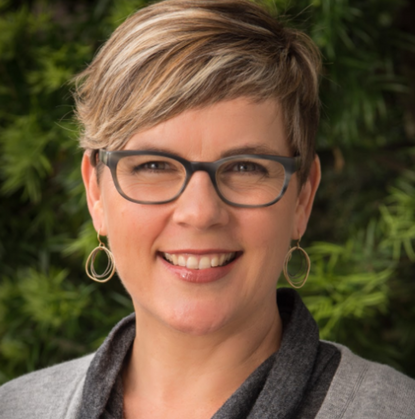
Audrey Vernick is our Director of Patient and Family Advocacy. She is the parent of a child who had hemispherectomy for seizures caused by stroke. She holds a level 2 certification in Special Education Advocacy Training from the Council of Parent Attorneys and Advocates and is certified by The ARC in future planning. She also serves on the International League Against Epilepsy’s Social Work and Social Services Section.