
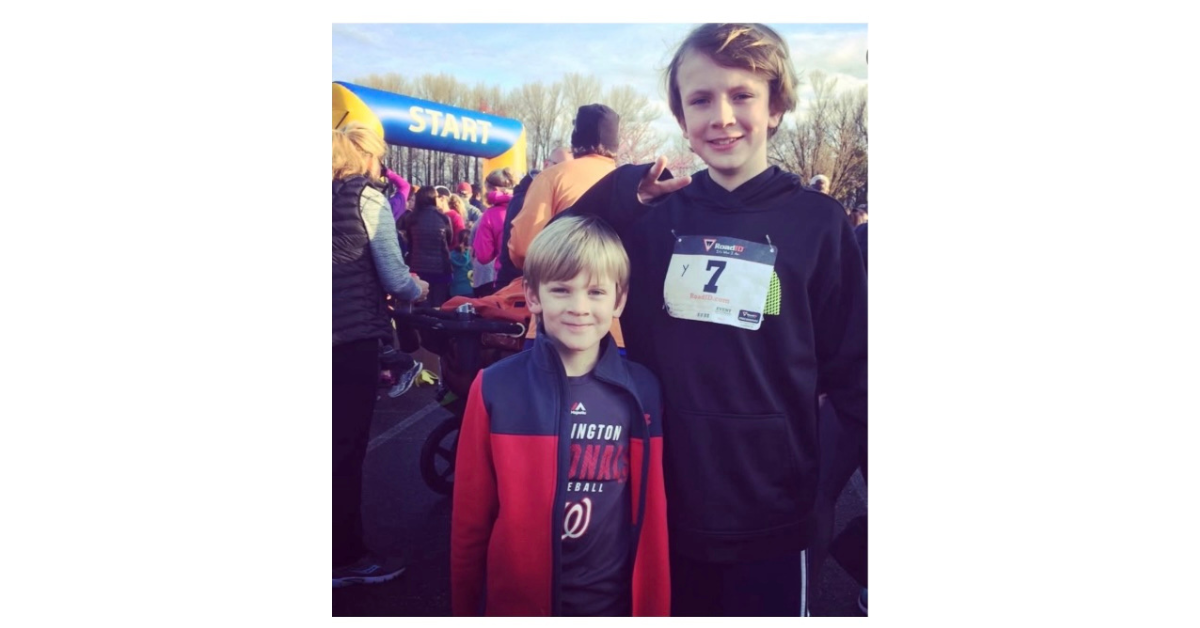
Epilepsy surgery impacts the entire family unit, often placing siblings on a “parallel journey” of emotional stress, increased responsibility, and resilient growth. While the family’s main focus is often on the child with epilepsy, brothers and sisters frequently experience a mix of fear, embarrassment, “helper” guilt, and pride. Supporting siblings through this transition requires providing honest, age-appropriate information, validating their unique feelings, and ensuring they have a consistent routine separate from the medical journey.
If you’re raising a child with drug-resistant epilepsy, you’re probably managing a heavy load of appointments and high-stakes decisions. However, it’s common to quietly wonder: How is this affecting my other kids? Siblings notice the stress in the house and the shifts in family dynamics long before they have the words to describe them.
As we launch our new Sibling Resources page, we are starting with a powerful first-hand account. James DiBitetto shares his story of growing up alongside his brother, Gavin, through multiple brain surgeries and the ultimate path to becoming seizure-free.
Key Takeaways for Parents
-
Siblings are “Quiet Observers”: They process more than they say.
-
Information is Safety: Knowing the “why” reduces fear of the unknown.
-
Individual Identity: Siblings need space to be kids, not just “helpers.”
What It’s Like Having a Brother with Epilepsy
By James DiBitetto
My name is James DiBitetto, and I am writing about my younger brother, Gavin. I am writing this from the point of view of a sibling. My goal is to help people understand what it is like to have a brother or sister with epilepsy.
The first seizure my brother had was when he was four years old. I was seven at the time, and I was honestly very scared for him. As he grew up, he ended up having thousands of seizures. Because of this, his quality of life slowly got worse. A lot of things that a healthy kid could do, Gavin could not.
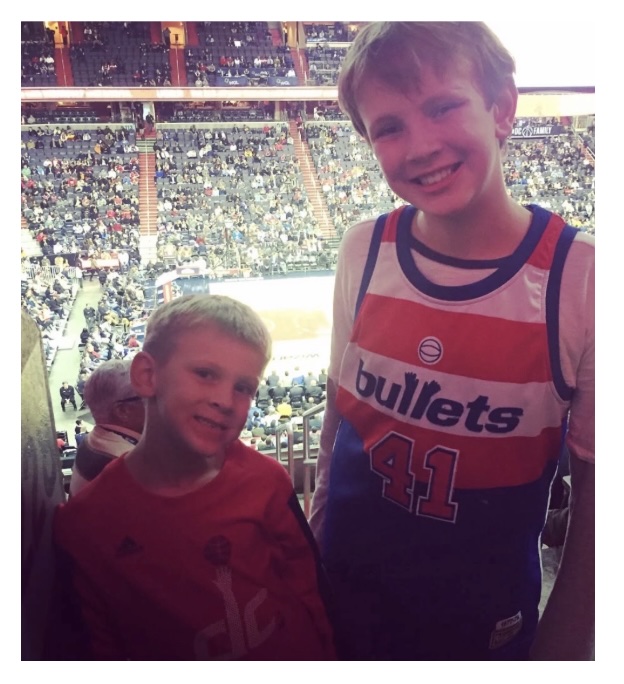
One of the hardest parts for me as a sibling was watching him lose the ability to do the things he loved. We both loved basketball. We played it growing up, and it was something we shared. Seeing Gavin have to stop playing because of epilepsy was devastating.
Growing up, Gavin had three brain surgeries in hopes that they would reduce or stop his seizures. What inspired me during that time was his bravery and courage. Unfortunately, those surgeries did not work, and he continued to have seizures at a high rate.
My parents eventually had to make the decision to go forward with a surgery called a hemispherotomy. After that surgery, my brother lost the left field of vision in both eyes. He also lost function in his left arm and hand and had to learn how to walk again.
Through all of the hospital stays, therapies, and frustrations, seeing everything my brother had to go through took a big emotional toll on me. But I knew I had to keep a positive and happy attitude to help my brother get through his challenges.
One big thing that helped me was talking and expressing my feelings, either to my parents or my grandparents. Another thing that helped was finding something fun that my brother and I could still do together: playing video games. Those things helped me stay positive, both for myself and for my brother.
I am happy to say that now my brother is one year seizure-free and is back in school. Even though there are still everyday challenges, like the loss of function in his left hand, he works hard in physical therapy to strengthen his hand and arm.
That is what truly inspires me about him. He never complains. He always shows up and works hard.
I love my brother very much, and I can’t wait to see what he does in the future. This is my story as a kid growing up with a sibling who has epilepsy.
Frequently Asked Questions About Siblings and Epilepsy Surgery
Insights from Adult Siblings
We spoke with three adults whose childhoods were shaped by a sibling’s epilepsy. Their roles evolved as they grew:
| Name | Childhood Role | Professional Path | Key Insight |
| Nancy | Younger Sister | Pediatric Epileptologist | “Early family experiences stay with you forever.” |
| Amanda | The “Helper” | Special Education Attorney | “You are allowed to have your own boundaries.” |
| Samuel | Quiet Observer | Advocate | “I wanted to be seen as a brother, not just a future caregiver.” |
A Common Parent Worry: When Siblings Act Out
This question comes up often when parents are trying to understand how epilepsy surgery is affecting their other children.
Big feelings are not bad behavior. When siblings act out, withdraw, or seem more emotional than usual, it is often a sign that they are overwhelmed and trying to make sense of a lot. These reactions usually mean a child cares deeply and does not yet have the words to express what they are holding inside.
What helps most is naming feelings without shaming them. It is very normal for a sibling to feel jealous, resentful, angry, or confused when so much attention is focused on seizures, hospital stays, or recovery. Saying something like, “It makes sense that you feel this way,” can open the door to real conversations. Minimizing feelings or brushing them aside often shuts down those conversations.
One-on-one time also matters more than many parents realize. Time that is not about epilepsy or surgery sends an important message: your life matters too. This can be as simple as a walk, a shared activity, or a regular check-in that is just for them.
Clear, age-appropriate explanations can also ease much of the fear. Siblings want information, even if it is simple. What is unknown is often scarier than what is real. Talking honestly about seizures, surgery, and what comes next helps siblings feel safer and less alone.
Finally, it helps to build a small circle of trusted adults around siblings. Grandparents, relatives, teachers, coaches, mentors, or therapists can all be safe people for a child to talk to. When siblings have more than one place to land, everything does not have to rest on you.
A Common Parent Worry: When Siblings Act Out
This question comes up often when parents are trying to understand how epilepsy surgery is affecting their other children.
Big feelings are not bad behavior. When siblings act out, withdraw, or seem more emotional than usual, it is often a sign that they are overwhelmed and trying to make sense of a lot. These reactions usually mean a child cares deeply and does not yet have the words to express what they are holding inside.
What helps most is naming feelings without shaming them. It is very normal for a sibling to feel jealous, resentful, angry, or confused when so much attention is focused on seizures, hospital stays, or recovery. Saying something like, “It makes sense that you feel this way,” can open the door to real conversations. Minimizing feelings or brushing them aside often shuts down those conversations.
One-on-one time also matters more than many parents realize. Time that is not about epilepsy or surgery sends an important message: your life matters too. This can be as simple as a walk, a shared activity, or a regular check-in that is just for them.
Clear, age-appropriate explanations can also ease much of the fear. Siblings want information, even if it is simple. What is unknown is often scarier than what is real. Talking honestly about seizures, surgery, and what comes next helps siblings feel safer and less alone.
Finally, it helps to build a small circle of trusted adults around siblings. Grandparents, relatives, teachers, coaches, mentors, or therapists can all be safe people for a child to talk to. When siblings have more than one place to land, everything does not have to rest on you.
Explore Our Sibling Resource Hub
We created our Sibling Resources page to give families practical, real-world support. This page was created specifically for siblings of children with epilepsy and for parents who want practical guidance on supporting siblings during epilepsy surgery and beyond.
You will find conversation starters for talking with siblings of different ages, ideas for including siblings during hospital stays and recovery, and everyday ways to help siblings feel seen and valued. There are also tools for kids, teens, and adult siblings, links to Sibshops and sibling communities, mental health information related to trauma, anxiety, and grief, future planning tools, and links to trusted organizations.
🛠️ Choose Your Path:
-
For Kids & Teens: Tools for expressing big feelings and connecting with peers.
-
For Parents: Conversation starters and hospital stay checklists.
-
For Adult Siblings: Future planning and mental health resources.
about the author
Audrey Vernick is our Director of Patient and Family Advocacy. She is the parent of a child who had hemispherectomy for seizures caused by stroke. She holds a level 2 certification in Special Education Advocacy Training from the Council of Parent Attorneys and Advocates and is certified by The ARC in future planning. She also serves on the International League Against Epilepsy’s Social Work and Social Services Section.