
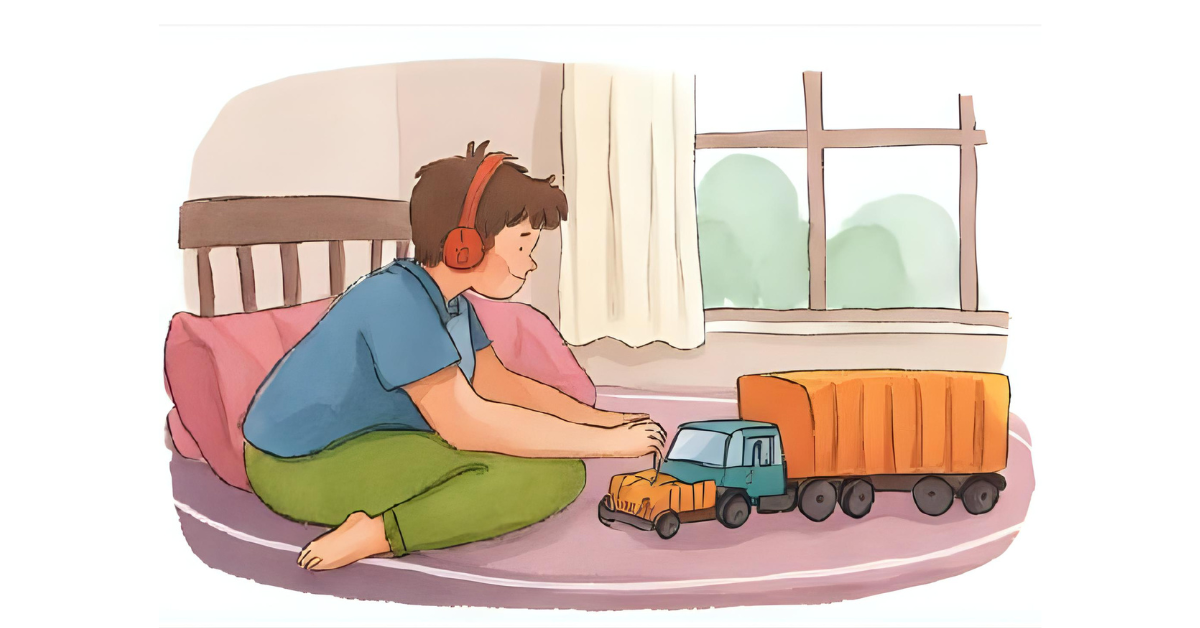
When my son had a hemispherectomy at age two, it stopped the relentless seizures that had taken over our lives. But years later, I was still searching for answers about his behavior, learning struggles, and attention challenges. It wasn’t until he was nearly 10 years old that I truly began to understand what neurodevelopmental disorders meant for him and our family.
Epilepsy is not just about seizures
The conditions that lead to epilepsy surgery, like genetic syndromes, brain malformations (also called cortical malformations), early brain injuries, or drug-resistant epilepsy itself, often come with lifelong challenges in development, learning, and behavior. These are often diagnosed as neurodevelopmental disorders.
You may have never heard the term before, but if your child is experiencing:
- Behavioral issues
- Attention problems
- Learning difficulties
- Social isolation or delays
… you’re already navigating this world.
In our recent Power Hour on Understanding Neurodevelopmental Disorders with Dr. Shafali Jeste, a child neurologist specializing in NDDs, we explored the connection between epilepsy and neurodevelopment, and why parents must recognize, evaluate, and address these challenges early.
5 Key Things to Know About Neurodevelopmental Disorders
| 1. Epilepsy and NDDs often go together. |
Many kids with epilepsy also have developmental challenges like autism, ADHD, or delays, even before seizures start. |
|---|---|
| 2. It’s easy to miss the signs. |
Speech delays, trouble focusing, or behavior issues can be overlooked while everyone focuses on seizure control. |
| 3. Diagnoses are based on behavior. | You can’t diagnose autism or ADHD with a brain scan or blood test. It’s based on how your child learns, plays, and interacts. |
| 4. Your child may have more than one diagnosis. |
Autism, ADHD, and learning delays often overlap. One diagnosis doesn’t rule out another. |
| 5. Developmental support is just as important as seizure control. | Understanding and treating NDDs early can improve learning, behavior, and quality of life. |
What Are Neurodevelopmental Disorders?
Neurodevelopmental disorders are conditions that begin early in life and affect how a child develops, learns, and behaves.
Common examples include:
- Global developmental delay
- Intellectual disability
- Autism spectrum disorder
- Attention Deficit Hyperactivity Disorder
- Social Communication Disorder
It’s common for kids to have more than one diagnosis. For example, a child might have both autism and ADHD, or epilepsy and a learning disability. These conditions often go together, and having one doesn’t mean your child can’t have another.
Early signs, like trouble with speech, social skills, or paying attention, can often show up long before a diagnosis. Sometimes these signs can be missed because families and doctors are focused on stopping the seizures.
But it’s essential to support your child’s developmental needs and epilepsy at the same time.
Diagnosing Neurodevelopmental Disorders
Neurodevelopmental disorders are not diagnosed through blood tests or brain scans. Instead, diagnosis is based on:
- Observation of behavior
- Developmental history
- Standardized testing
- Input from caregivers and educators
Some evaluations happen during the epilepsy surgery workup. Others may occur afterward, especially if new symptoms emerge in school or at home. Whether your child was diagnosed before surgery or shows new symptoms after, understanding neurodevelopmental disorders can help you get the right support in place and advocate with confidence.
Who Can Diagnose?
- Developmental pediatricians
- Child neurologists
- Behavioral neurologists (neurologists who specialize in developmental and behavioral conditions)
- Psychologists or neuropsychologists
- School teams (for educational eligibility)
- A multidisciplinary team
If you’re not sure where to start, ask your child’s neurologist or pediatrician for a referral. In some cases, you may want to contact your school district to arrange an evaluation as required by “child find” rules. (See our Navigating the IEP Course to learn more about school-based assessments.)
Common Diagnoses
Global Developmental Delay (GDD): Diagnosed before age 5, when a child has significant delays in at least two areas of development: language, motor, cognition, social interaction, or daily living. Often assessed using tools like the Bayley or Mullen scales. GDD may later become a diagnosis of intellectual disability.
Intellectual Disability (ID): Typically diagnosed after age 5, defined by an IQ score below 70 and delays in adaptive functioning (everyday skills like self-care and communication). Diagnosed using IQ tests (such as the DAS-II, WISC, or Stanford-Binet) and adaptive measures like the Vineland.
Autism Spectrum Disorder (ASD): Diagnosed by observing behavioral signs in two areas:
- Social communication challenges (e.g., eye contact, understanding relationships)
- Repetitive behaviors or restricted interests (e.g., routines, sensory issues)
ASD is often diagnosed using standardized tools like the ADOS-2 along with caregiver interviews and developmental history.
ADHD and Executive Function Challenges (ADHD): (Attention-Deficit/Hyperactivity Disorder) includes inattention, impulsivity, and hyperactivity. It often overlaps with executive function challenges, including difficulty with organizing, following directions, managing time, and impulse control. These are especially common after brain surgery or in kids with autism and epilepsy (Anukirthiga et al., 2019).
Diagnosis typically involves behavior checklists, input from parents and teachers, and sometimes neuropsychological testing.
Social Communication Disorder (SCD): Affects a child’s ability to use language in social settings, without the repetitive behaviors typically associated with autism spectrum disorder. May include trouble understanding jokes, taking turns in conversation, or adjusting speech for different situations. It often becomes more noticeable in early school years, when social expectations increase.
Evaluated by a speech-language pathologist or psychologist using language assessments, social communication checklists, and real-world observations.
Overlapping Challenges
Two important issues often go unnoticed in children with epilepsy and neurodevelopmental disorders, but they can have a major impact on learning, behavior, and quality of life:
- Sleep Difficulties: Many children struggle to fall asleep or stay asleep through the night. Poor sleep can worsen mood, attention, and seizure control.
- Emotional and Behavioral Challenges: Aggression, irritability, mood swings, and emotional outbursts are common, but they are not just “bad behavior.” These symptoms are often treatable and may signal an unmet need.
Don’t overlook these issues. Talk with your child’s provider if you notice any of these symptoms. Addressing sleep and behavior concerns can make a real difference, not only in daily life but in cognitive and developmental outcomes.
One study found that behavioral difficulties and daytime sleepiness in children with epilepsy may significantly affect their ability to learn (Clarke et al., 2005).
How Epilepsy and Neurodevelopmental Disorders Are Connected
Epilepsy and neurodevelopmental disorders often go hand in hand. Children with epilepsy are more likely to have developmental delays, and children with autism, ADHD, or intellectual disability are more likely to develop epilepsy at some point in their lives.
This is not a coincidence. It’s a well-established connection backed by research. Both epilepsy and neurodevelopmental disorders can stem from shared underlying causes, such as genetic conditions, early brain injuries, or structural differences in the brain (Capal and Jeste, 2024; Jeste and Tuchman, 2015).
Some key facts:
In epilepsy clinics, up to 75% of children show signs of developmental delay, even if they haven’t been formally diagnosed yet (Eom et al., 2015).
Up to 60% of children with autism may have seizures or abnormal brain activity on an EEG, even if they haven’t had obvious seizures yet (Holmes et al., 2021).
It’s not always easy to tell what’s causing a new behavior. Is it a seizure, a developmental issue, or something else? If your child has sudden changes like zoning out, unusual movements, or emotional outbursts, ask your doctor if a video or EEG test can help figure out what’s going on.
Recognizing this connection early can help you:
- Identify developmental red flags
- Access evaluations and therapies
- Build a care plan that supports both seizure control and development
Genetics and Neurodevelopmental Disorders
One of the most significant connections between epilepsy and neurodevelopmental disorders is genetics. Many of the same genes linked to epilepsy are also associated with autism, intellectual disability, and other developmental delays (Specchio et al., 2025).
That’s why genetic testing is highly recommended if your child has both seizures and developmental concerns (Srivastava et al., 2024)
Genetic testing can:
- Clarify or confirm a diagnosis
- Guide treatment planning
- Connect families to research and support networks
- Provide answers after years of uncertainty
- Support long-term care decisions
Common types of genetic tests include chromosomal microarray, whole-exome sequencing (WES), and whole-genome sequencing (WGS). Access may depend on your insurance plan, but many advocacy organizations can help you navigate the process.
Research into conditions like tuberous sclerosis complex and Dup15Q syndrome shows that children with both epilepsy and genetic diagnoses often experience more severe developmental delays (Capal et al., 2017; DiStefano et al., 2020; Lo-Castro and Curatolo, 2014; Spurling et al., 2014). That’s why early and accurate diagnosis (both genetic and neurodevelopmental) is key to getting your child the support they need (Simon et al., 2022).
Why Seizure Control Matters
Seizures interrupt normal brain activity and how the brain forms its connections. In young, developing brains, this disruption can have lasting effects. Frequent or uncontrolled seizures can interfere with critical areas like language, memory, learning, and behavior.
That’s why early seizure control is so important. Research shows that children who become seizure-free or who have fewer seizures after epilepsy surgery often experience major improvements in thinking, attention, mood, and overall quality of life (Romanowski & McNamara, 2021).
After surgery, not every child improves in every area, but studies consistently show that better seizure control leads to better developmental outcomes (Kaur et al., 2022). Children with milder delays tend to show the biggest gains, but even those with significant challenges often improve in at least one area of thinking or learning after surgery.
In complex epilepsy syndromes like Lennox-Gastaut syndrome , controlling seizures with medication, surgery, neuromodulation, or the ketogenic diet has been shown to support better long-term development (Samanta et al., 2025).
Thanks to advances in technology, newer tools like laser ablation and responsive neurostimulation (RNS) are helping more children benefit from surgery, with fewer side effects. Some studies even show that RNS may improve thinking and behavior, not just seizures (Fields et al., 2024).
Bottom line: The sooner seizures are controlled, the better the chance for your child’s brain to grow, learn, and thrive.
Medication Side Effects to Watch For
Antiseizure medications play a crucial role in managing epilepsy, but they can sometimes cause side effects that impact learning and development. Common issues include:
- Irritability or mood changes are often seen with levetiracetam (Keppra).
- Slowed thinking or brain fog is reported with topiramate (Topamax) or zonisamide.
- Drowsiness or behavior changes are common with Clobazam and other sedating ASMs.
If your child is having a developmental or school evaluation, let the team know about all current medications and any recent changes. Side effects can affect test results, behavior, and focus, so having the full picture helps providers interpret assessments more accurately.
Always tell your doctor about side effects, and don’t hesitate to ask whether a different dose or medication might help your child feel and function better. Sometimes a small change can make a big difference.
Does Surgery Cause NDDs?
At this time, there is no evidence that epilepsy surgery causes autism or other neurodevelopmental disorders.
Some children already show signs of NDDs before surgery. Others may receive a diagnosis afterward, often because symptoms become more noticeable once seizures are better controlled. In some cases, children develop new developmental challenges months or years after surgery. This is usually due to the underlying brain condition that caused the epilepsy, not the surgery itself.
In fact, epilepsy surgery can reduce seizure activity that interferes with development, leading to improvements in behavior, learning, and quality of life (Romanowski & McNamara, 2021).
Every child’s outcome is different. Some make remarkable gains, others continue to need support. Recognizing and responding to these needs early can make a meaningful difference.
Treatment Options
There is no one-size-fits-all treatment for neurodevelopmental disorders. Every child is unique, but many benefit from a mix of therapies and supports that target behavior, communication, learning, social interaction, and daily living skills.
Behavior Therapy
Applied Behavior Analysis (ABA) is one of the most widely used and well-studied approaches for helping children with autism and other neurodevelopmental conditions. ABA is not just one therapy; it’s a framework that includes many structured, evidence-based techniques based on how children learn and respond to their environment.
Why is ABA so widely recommended?
Experts (including the National Research Council in Educating Children with Autism, 2001) strongly recommend ABA-based interventions for children with autism. Research shows ABA can improve:
- Communication and language
- Social interaction
- Emotional regulation
- Academic readiness
- Daily living skills
These programs are most effective when they:
- Start early (ideally before age 3)
- Are intensive (25+ hours per week)
- Are individualized to the child’s strengths and needs
- Include data tracking and regular progress checks
- Involve parents as active partners in learning and carryover at home
ABA uses positive reinforcement to teach desired behaviors and breaks down goals into small, achievable steps. Sessions may happen 1:1 or in small groups, at home, in a clinic, or at school.
The most effective programs:
- Use consistent routines and visual supports
- Set personalized goals for behavior, communication, and independence
- Help children apply new skills across different settings and people
Common Types of ABA-Based and Developmental Therapies
ABA techniques can be tailored to your child’s age, learning style, and personality. Common examples include:
- Discrete Trial Training (DTT): A structured teaching method that uses repetition and clear rewards to help children learn early skills like language, following directions, or matching.
- Pivotal Response Training (PRT): A play-based approach that builds motivation and encourages children to start communication on their own. It helps improve speech, social interaction, and flexibility.
- DIR/Floortime: Focuses on emotional connection and child-led play to support learning and development—especially helpful for kids who need a more sensory-friendly or flexible approach.
- JASPER (Joint Attention Symbolic Play Engagement Regulation): A play-based program for young children that strengthens shared attention and social communication. Often used in early intervention or preschool settings.
These therapies aren’t just about managing challenging behaviors. They help children build the skills they need to thrive in everyday life.
Other Therapies
In addition to behavior therapy, many children benefit from:
- Occupational therapy (OT): Helps with fine motor skills, sensory regulation, self-care (dressing, feeding), and school routines.
- Speech-Language Therapy (SLP): Supports language development, communication, and the use of speech or assistive devices.
- Social Skills Groups teach kids how to make friends, manage emotions, take turns, and interact with peers in a safe, structured setting.
Helpful Resources
- Children with Executive Function Challenges (Reading Rockets)
- Parenting a Child with ADHD (CHADD)
- Strategies to Improve Sleep in Children with Autism
Where to Get Services
Therapies may be available through several systems:
- Early Intervention (ages 0–3): All U.S. states offer free or low-cost services for infants and toddlers. Parents can self-refer for an evaluation.
- Public School System (ages 3+): Services like speech, OT, social skills training, and even intensive behavioral support (including ABA-based strategies) may be provided through an Individualized Education Program (IEP) or a 504 Plan. These are legally mandated supports for students who qualify under disability laws.
Important Note: If your child needs ABA-style behavioral support to make progress at school, your child’s school district may be required to provide it, even if that means contracting with outside providers. Learn more in our free, parent-friendly course: Navigating the IEP.
- Private Clinics or In-Home Providers: These may offer flexible scheduling or more intensive options. Costs and insurance coverage vary. If you’re unsure how to access or pay for services:
- Ask your provider or epilepsy center if a care coordinator or social worker can assist.
- Explore Medicaid waivers, educational funding programs, or scholarships.
- Check out The Almost Everything List for nonprofit resources and funding ideas.
Medications for ADHD, Sleep, and Behavior
Note: This section is for general informational purposes only. Always talk with your child’s medical team before starting, stopping, or adjusting any medication.
When used thoughtfully, medications can be an important tool for helping children with epilepsy and neurodevelopmental disorders manage attention, sleep, mood, and behavior. However, because some medications can affect seizure thresholds or interact with antiseizure drugs, they must be chosen and monitored with care.
- ADHD Medications: Children with epilepsy and ADHD may benefit from medications that improve focus, attention, and impulse control. These medications can be effective, but they must be prescribed with caution in children who have seizures. A neurologist or experienced prescriber should oversee care to ensure medications don’t increase seizure risk or interfere with antiseizure treatment. These include:
- Stimulants: such as methylphenidate (Ritalin, Concerta) or amphetamines (Adderall, Vyvanse)
- Non-stimulants: such as guanfacine (Intuniv) or atomoxetine (Strattera)
- Sleep Support: Sleep problems are common in children with epilepsy and NDDs. Poor sleep can worsen seizures, behavior, and learning. Options to support healthy sleep include:
-
- Melatonin: A widely used, well-researched supplement that helps with falling asleep
- Clonidine, Trazodone, or Gabapentin: May help with staying asleep or reduce frequent night waking
-
- Mood and Irritability: Some antiseizure medications (ASMs) may also support emotional regulation. For example, Valproate and Lamotrigine are sometimes used to help with mood swings, aggression, or anxiety in children who have both epilepsy and emotional or behavioral symptoms.
- Managing Behavioral Challenges: Two medications, Risperidone and Aripiprazole (Abilify), are FDA-approved to treat irritability in children with autism. These may also help with aggression, mood swings, or severe behavioral outbursts. However, they can carry side effects like weight gain, sedation, hormone changes (e.g., elevated prolactin), or metabolic concerns. Regular monitoring is essential.
Medication Safety Tips
Children with drug-resistant epilepsy, complex neurological conditions, or a history of brain surgery may react differently to psychiatric medications.
Keep these principles in mind:
- Start low and go slow: Begin with the lowest dose and increase gradually
- Be patient: It may take 2–6 weeks to see benefits
- Only change one thing at a time: Don’t start or stop multiple medications at once. It makes it harder to tell what’s helping or causing side effects.
- Look at the whole picture: Discuss not only seizure control but also your child’s learning, mood, behavior, and overall life functioning.
Medications can help, but they’re not a magic fix.
Behavior is often a signal, not the root problem. Aggression may reflect pain. Irritability might stem from poor sleep or anxiety. Outbursts could be your child’s way of communicating something they can’t express.
The best approach is a whole-child plan that addresses medical, emotional, and developmental needs together.
School Services and Support
For children with neurodevelopmental disorders and epilepsy, school is more than just academics; it’s a place where communication, behavior, social skills, and independence are developed.
Your child may be eligible for an Individualized Education Program (IEP) or a section 504 plan. These tools provide legal protections and ensure access to needed accommodations and services.
What These Plans Can Include:
- Behavior Intervention Plans (BIPs) can help prevent and respond to challenging behaviors in positive, proactive ways.
- Accommodations and modifications, such as modified assignments or extra time, support for attention, processing speed, or executive function difficulties.
- Sensory and transition support, such as quiet spaces, movement breaks, visual schedules, or adult assistance during transitions, can help reduce overload and increase participation.
- Seizure Action Plans and School Health Services ensure that staff know what to do if your child has a seizure at school, including medication administration, timing, and emergency procedures.
- Therapy services during the school day (like occupational, speech, or physical therapy), if needed for your child to access their education.
After Surgery School Planning
After epilepsy surgery, your child’s strengths and challenges may shift, sometimes dramatically. Some kids gain new skills or have fewer behavioral issues. Others may need support for new challenges like fatigue, slower processing, or emotional ups and downs during recovery.
To stay on top of your child’s needs:
- Request a new evaluation from your school district. A multidisciplinary reevaluation can update your child’s support plan.
- Revise the IEP or 504 Plan to reflect your child’s current learning, behavioral, or medical needs.
- Collaborate across teams. School staff, medical providers, and parents should work together to track recovery and adjust services as needed.
Whether your child is starting school for the first time or returning post-surgery, their plan should be individualized, strengths-based, and informed by both education and medical input.
Learn more in our free, parent-friendly course: Navigating the IEP.
Final Thoughts: Don’t Wait to Seek Support
If something doesn’t feel right, trust your gut. You don’t have to wait for a formal diagnosis or a crisis to start asking questions. The earlier you identify a challenge, the sooner your child can get needed services, therapies, and school supports.
Ask for help. Ask for testing. Ask again if you’re not getting answers.
Understanding neurodevelopmental disorders can feel overwhelming, but you are not alone, and you don’t have to figure it out on your own.
We are here to support you every step of the way.
Common questions
| Can epilepsy surgery cause autism? | No. Surgery may reveal symptoms that were hidden by seizures, but it doesn’t cause autism. |
|---|---|
| What’s the difference between Global Developmental Disorder (GDD) and Intellectual Disability (ID)? | GDD is diagnosed before age five and may resolve; ID is a lifelong diagnosis based on IQ and adaptive skills. |
| My child had epilepsy surgery and is doing better. Do they still need developmental testing? | Yes. Even when seizures improve, some developmental or behavioral challenges may remain or become more noticeable as your child grows. Testing after surgery can help track progress, catch any new concerns early, and update therapy or school plans. |
| Will a diagnosis change anything? | Yes! It can open doors to services and support. A diagnosis doesn’t label your child; it helps explain their needs so they can get targeted help, whether it’s speech therapy, occupational therapy, an IEP at school, or behavior support. |
| Should we do genetic testing? |
Yes, especially if your child has both seizures and developmental concerns. It can clarify the diagnosis and guide care. |
This blog is based on insights from our Power Hour: Understanding Neurodevelopmental Disorders and Epilepsy with Dr. Shafali Jeste, in partnership with CHADD’s National Resource Center on ADHD, the LGS Foundation, and the TSC Alliance.
Neuropsychological Testing: Dr. Mary Lou Smith, a renowned clinical neuropsychologist at SickKids Hospital in Toronto, explains what a neuropsychological assessment is, why it matters, and how it can help children with epilepsy and those who’ve had brain surgery. She covers how these evaluations look at thinking, memory, attention, behavior, and emotional skills and how they can uncover learning needs, track changes after surgery or medication, and guide school supports like IEPs. Dr. Smith emphasizes that these assessments are not just about identifying problems but also about understanding a child’s strengths and how to build on them.
Executive Functioning After Hemispherectomy: Dr. Cynthia Salorio, explains how executive function skills like planning, organizing, staying focused, managing emotions, and starting tasks are often affected in children after hemispherectomy. These challenges are common and brain-based, not just “behavior issues,” and they often become more noticeable as kids grow and school demands increase. Dr. Salorio offers practical, real-world strategies to help, including using visuals, breaking tasks into steps, creating routines, and offering quiet spaces for emotional regulation. She emphasizes that while we can’t “fix” executive function struggles, we can support kids in building skills and thriving over time.
Behavior Management Strategies For Challenging Behaviors: Therapists Holly Chalkwater and Jessica Sen introduce Parent Management Training (PMT), an evidence-based approach that helps families handle challenging behaviors with confidence and structure. Designed for parents of children with ADHD, behavioral disorders, anxiety, or emotional struggles, PMT teaches simple, effective tools to reduce power struggles, improve cooperation, and build stronger family relationships. Holly and Jessica also share how trauma, disability, and emotional stress can affect behavior, and what parents can do to support positive change at home.
Managing Difficult Behaviors In Children and Adults with Neurodevelopmental Disabilities: Dr. Joseph Ricciardi shares practical, evidence-based strategies for addressing challenging behaviors in children and adults with neurodevelopmental disabilities. Drawing on over 25 years of experience, Dr. Ricciardi explains how to use positive reinforcement, build supportive environments, and respond calmly to crises. He also walks through how to create personalized behavior plans using real-life examples that make these tools easier to apply at home. This session is for caregivers looking to reduce daily stress, understand behavior more clearly, and promote long-term success for their loved one.
Applied Behavioral Analysis: How It Can Help My Child: Michael Fantetti, MS, BCBA, provides an overview of Applied Behavioral Analysis, highlighting its application in medical research to understand the impact of disabilities. He explains the importance of a parent understanding the behaviors of their child and how they can use this knowledge to improve their relationship with their child.
Read the Research
Want to explore more? This blog post is based on the following research:
- Anukirthiga, D., Arunachalam, P., & Arivazhagan, A. (2019). Prevalence of epilepsy and inter-ictal epileptiform discharges in children with autism and attention-deficit hyperactivity disorder. Annals of Indian Academy of Neurology, 22(2), 161–166.
- Braams, O., Maher, C., Jennekens-Schinkel, A., Braun, K., van Nieuwenhuizen, O., van Schooneveld, M., & Schappin, R. (2019). Social functioning of children after epilepsy surgery: A literature review. Epilepsy & Behavior, 96, 210–218.
- Capal, J. K., Bernardino-Cuesta, B., Horn, P. S., Murray, D., Byars, A. W., Bing, N. M., Kent, B., Pearson, D. A., Sahin, M., Krueger, D. A., & TACERN Study Group. (2017). Influence of seizures on early development in tuberous sclerosis complex. Epilepsy & Behavior, 70(Pt A), 245–252.
- Capal, J. K., & Jeste, S. S. (2024). Autism and epilepsy. Pediatric Clinics of North America, 71(2), 241–252.
- Clarke, D. F., Roberts, W., Daraksan, M., Dupuis, A., McCabe, J., Wood, H., Snead, O. C., & Weiss, S. K. (2005). The prevalence of autistic spectrum disorder in children surveyed in a tertiary care epilepsy clinic. Epilepsia, 46(12), 1970–1977.
- DiStefano, C., Wilson, R. B., Hyde, C., Cook, E. H., Thibert, R. L., Reiter, L. T., Vogel-Farley, V., Hipp, J., & Jeste, S. (2020). Behavioral characterization of dup15q syndrome: Toward meaningful endpoints for clinical trials. American Journal of Medical Genetics Part A, 182(1), 71–84.
- Eom, S., Park, H. R., Kim, H. D., & Kang, H. C. (2015). A simple behavioral–developmental checklist versus formal screening for children in an epilepsy center. Epilepsy & Behavior, 46, 84–87.
- Fields, M. C., Marsh, C., Eka, O., Johnson, E. A., Marcuse, L. V., Kwon, C. S., Young, J. J., LaVega-Talbott, M., Kurukumbi, M., Von Allmen, G., Zempel, J., Friedman, D., Jette, N., Singh, A., Yoo, J. Y., Blank, L., Panov, F., & Ghatan, S. (2024). Responsive neurostimulation for people with drug-resistant epilepsy and autism spectrum disorder. Journal of Clinical Neurophysiology, 41(1), 64–71.
- Fisher, R. S., Cross, J. H., D’Souza, C., French, J. A., Haut, S. R., Higurashi, N., Hirsch, E., Jansen, F. E., Mathern, G. W., Moshé, S. L., Nordli, D. R., Scheffer, I. E., & Zuberi, S. M. (2012). Routine developmental and autism screening in an epilepsy care setting. Epilepsy & Behavior, 24(4), 488–492.
- Guerra, A., Fliss, R., Campiglia, M., Remaud, J., Cadeau, O., Seegmuller, C., Boulay, C., Gauer, L., Van Bogaert, P., de Grissac-Moriez, N., Valenti Hirsch, M. P., Kuchenbuch, M., Roulin, J.-L., Fournet, N., Le Gall, D., & Roya, A. (2024). Executive functions disorders in children with frontal and temporal epilepsy. Epilepsy & Behavior, 161, 110124.
- Holmes, H., Sawer, F., & Clark, M. (2021). Autism spectrum disorders and epilepsy in children: A commentary on the occurrence of autism in epilepsy; how it can present differently and the challenges associated with diagnosis. Epilepsy & Behavior, 117, 107813.
- Jeste, S. S. (2011). The neurology of autism spectrum disorders. Current Opinion in Neurology, 24(2), 132–139.
- Jeste, S. S., & Tuchman, R. (2015). Autism Spectrum Disorder and Epilepsy: Two Sides of the Same Coin? Journal of Child Neurology, 30(14), 1963–1971.
- Jeste, S. S., Wu, J. Y., Senturk, D., Varcin, K., Ko, J., McCarthy, B., Shimizu, C., Dies, K., Vogel-Farley, V., Sahin, M., & Nelson, C. A. III. (2014). Early developmental trajectories associated with ASD in infants with tuberous sclerosis complex. Neurology, 83(2), 160–168.
- Kaur, N., Nowacki, A. S., Haut, J. S., Klaas, P., Ferguson, L., Lachhwani, D., Bingaman, W., Lineweaver, T. T., & Busch, R. M. (2022). Cognitive outcomes following pediatric epilepsy surgery. Epilepsy Research, 180, 106859.
- Lo-Castro, A., & Curatolo, P. (2014). Epilepsy associated with autism and attention deficit hyperactivity disorder: is there a genetic link? Brain & Development, 36(3), 185–193.
- Mula, M., & Sander, J. W. (2008). Mood. In S. C. Schachter, G. L. Holmes, & D. Trenité (Eds.), Behavioral aspects of epilepsy.
- Odom S.L., Hall L.J., Morin K.L., Kraemer B.R., Hume K.A., McIntyre N.S. Nowell S.W., Steinbrenner J.R., Tomaszewski B., Sam A.M., DaWalt L. (2021). Educational Interventions for Children and Youth with Autism: A 40-Year Perspective. Journal of Autism and Developmental Disorders. Dec;51(12):4354-4369. doi: 10.1007/s10803-021-04990-1. Epub 2021 Apr 18.
- Romanowski, E.F., & McNamara, N. (2021). Systematic review of non-seizure outcomes in pediatric epilepsy surgery. Seminars in Pediatric Neurology, 39, Volume 39, 2021,100928
- Salpekar, J. (2014). Recognizing and treating psychiatric comorbidity in epilepsy. In H. Goodkin & J. Miller (Eds.), Epilepsy: Neurology in practice (pp. 268–274). John Wiley & Sons.
- Samanta, D. (2025). Cognitive and behavioral impact of antiseizure medications, neuromodulation, ketogenic diet, and surgery in Lennox-Gastaut syndrome: A comprehensive review. Epilepsy & Behavior, 164, 110272.
- Simon, J., Hyde, C., Saravanapandian, V., et al. (2022). The diagnostic journey of genetically defined neurodevelopmental disorders. Journal of Neurodevelopmental Disorders, 14, 27.
- Specchio, N., Curatolo, P., & Moavero, R. (2025). The epilepsy–autism phenotype associated with developmental and epileptic encephalopathies: New mechanism-based therapeutic options. Epilepsy & Behavior Reports, 23, 100627.
- Srivastava, S., et al. (2024). Survey of the landscape of society practice guidelines for genetic testing of neurodevelopmental disorders. Annals of Neurology, 96(5), 900–913.
Need more tools or support?
- Download our new checklist Neurodevelopmental Disorders & Epilepsy – A Checklist
- Download our The (Almost) Everything List. It’s over 100 pages of information about resources for you.
- Take our Navigating the IEP Course and visit our School and Learning After Epilepsy Surgery page.
- See this blog summary and video presentations from our 2019 reserach meeting (includes talks on memory, cognition, academic outcomes, and behavioral/mental health)
- Visit our YouTube Channel
- Children with Executive Function Challenges (Reading Rockets)
- Educating Children with Autism (National Research Council, 2000)
- Parenting a Child with ADHD (CHADD)
- Strategies to Improve Sleep in Children with Autism (Autism Treatment Network)
- Time Tracker Program for executive function deficits (Cognitive Connections)
about the author
Audrey Vernick is our Director of Patient and Family Advocacy. She is the parent of a child who had hemispherectomy for seizures caused by stroke. She holds a level 2 certification in Special Education Advocacy Training from the Council of Parent Attorneys and Advocates and is certified by The ARC in future planning. She also serves on the International League Against Epilepsy’s Social Work and Social Services Section.