


We are taking a pledge, because time is brain
Today is International Epilepsy Day, a global epilepsy awareness day held every year on the second Monday in February. It was launched in 2015 and is led by the International Bureau for Epilepsy and the International League Against Epilepsy. The point is to raise public understanding, reduce stigma, and push for better support, care, and rights for people living with epilepsy worldwide.
This year we’ve been asked to take an Epilepsy Pledge – one concrete action during 2026 that “strengthens awareness, safety, inclusion, and community understanding of epilepsy.”
Here’s our pledge: By December 31, 2026, we will help families understand that epilepsy surgery isn’t only “after everything fails” by sharing simple, reliable information on when to ask about an evaluation, so that fewer families wait years to get answers.
We are taking this pledge because too many families are still told that surgery is something you consider only after years and years of uncontrolled seizures. Or they’re not told about surgery at all. This is wildly outdated and dangerous, and we’re here to stop the delay.
The “last resort” myth is not supported by scientific evidence
There is a clear medical definition of when epilepsy becomes “drug-resistant” or “refractory”. It is when two appropriately chosen and tolerated anti-seizure medications have failed to control seizures. This definition comes from the International League Against Epilepsy, and it is widely used because it matches what doctors see in real life: the chances of a third medication stopping seizures drop sharply after the first two do not work. (You can read the definition for yourself here. We also have a dedicated page explaining it here.)
A quick note about International League Against Epilepsy (ILAE): It’s basically the world’s main professional society focused on epilepsy care and research. It’s a large international network made up of national professional epilepsy organizations, with one recognized chapter per country. The American Epilepsy Society is the ILAE’s U.S. Chapter. When the ILAE puts out a definition or a recommendation, it carries weight because it becomes the common reference point used by epilepsy specialists around the world. A key example is how the ILAE defines “drug-resistant epilepsy”: when two appropriate seizure medications have been tried and seizures still are not controlled. That definition exists so families and doctors know when it is time to talk about next-step options, including an epilepsy surgery evaluation, instead of waiting for years while seizures continue. Listening to the ILAE helps cut through opinion because their definitions are based on broad expert agreement of existing scientific evidence.
An evaluation doesn’t mean you have committed to surgery for your child
This is where I see families getting really tripped up. When parents and caregivers hear “surgery,” they think a decision has already been made for them. It’s really important to understand that an epilepsy surgery evaluation is just very careful and comprehensive testing by an epilepsy center team. The testing will help answer questions like:
- Where are the seizures coming from?
- Is there a target that can be treated safely?
- If not traditional resective surgery, are there other options like laser treatment or devices like VNS, RNS, and DBS that can stop or reduce seizuers?
- What are the realistic benefits and risks for this specific child?
You can go through an evaluation and decide surgery is not right for your child. Or you could decide that there is a treatment that could dramatically improve your child’s life and reduce the chances of dying from epilepsy. The whole point of testing is that you get informed choices instead of guessing at what the next best step should be.
Early referral is backed by strong studies
Through our advocacy work over the last 15 years, I have learned things that make me angry. We have real studies, including a major one published in the New England Journal of Medicine, showing that for some people with drug-resistant epilepsy, surgery can often work better than just trying more medications.
What’s unbelievable is that experts say the bigger problem is not whether surgery works. It is that families are often sent for a surgical evaluation way too late. Some research papers basically admit what parents in our community already know: families get referred for surgical evaluation after years of ongoing seizures, and by then the child may have lost skills or fallen further behind in ways that did not have to happen.
Medical groups have been saying this for a long time. The American Academy of Neurology and the American Epilepsy Society have stated that for certain types of focal epilepsy, surgery can offer more benefit than staying on medication alone. And more recently, an international expert group from the International League Against Epilepsy said it plainly: once epilepsy is drug-resistant, patients – regardless of the age the child, genetic condition, or epilepsy type – should be offered a referral for a surgical evaluation immediately, not years later.
What we want every parent to know
If your child is still having seizures after trying two seizure medications, it’s time to ask your child’s neurologist for the next step. Here is a sentence you can bring to a visit:
“We have tried two medications and seizures are still happening. We would like to be referred for an epilepsy surgery evaluation so we can understand all our options.”
This is an easy script for you to use. Just make sure you’re referred to an experienced epilepsy center, especially if your child is 8 years old or younger.
What we will do between now and December 31, 2026
This pledge is a commitment to repeat the truth until it becomes normal:
- We will explain what “drug-resistant” means in plain language.
- We will explain what an evaluation is, and what it is not.
- We will share reliable, evidence-based information you can use at appointments.
- We will normalize early evaluation so fewer families lose years to uncertainty.
Please join us by sharing our social media posts as well as this blog. Tag with #EpilepsyPledge and help get the word out!
about the author
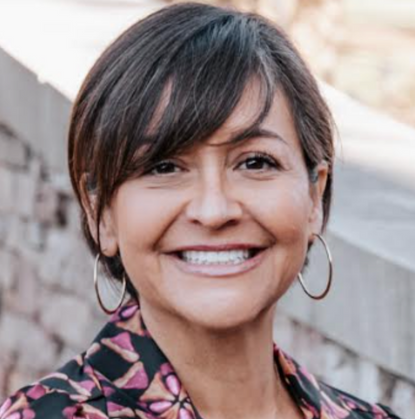
Monika Jones, an inactive lawyer, is our founder and executive director. Her first son, Henry, had a modified lateral hemispherotomy, revision surgery, then true anatomical hemispherectomy to stop seizures caused by total hemimegalencephaly. She is also the principal investigator of the Global Pediatric Epilepsy Surgery Registry, the only parent-reported data collection to understand the developmental trajectory after pediatric epilepsy surgery. A strong believer in collaboration, she serves on the Pediatric Epilepsy Research Consortium‘s Research committee, the ILAE Neurobiology Commission’s Research Advocacy Task Force, and is an active member of the Rare Epilepsy Network and the Infantile Spasms Action Network. You can review her publications as well as contributions to collaborative research and advocacy projects at orcid.org/0000-0001-6086-3236.
Upcoming Events
Recent Posts
Stay Connected