

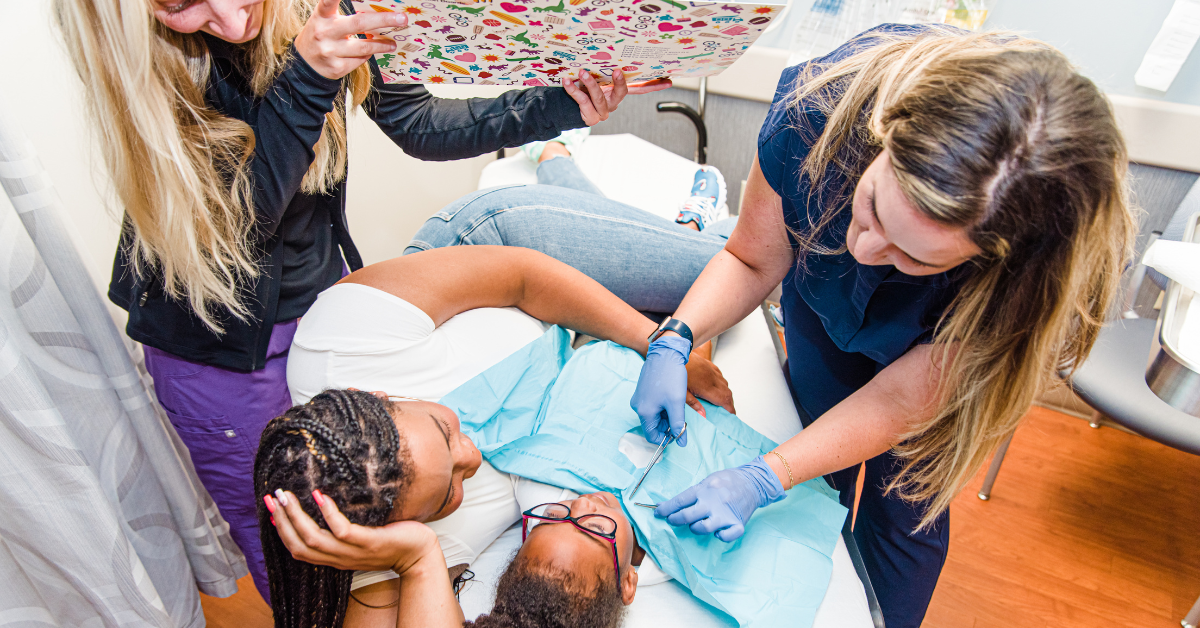
This week we’re excited to share a guest blog post by Katie Taylor, Certified Child Life Specialist and Founder of Child Life On Call.
She recently interviewed Audrey Vernick, our Director of Patient and Family Advocacy, for her podcast. Listen to their conversation here or watch the video.
Why I Started Child Life On Call
I still remember the moment everything shifted for me.
I was visiting one of the patients I was assigned to, a 21-day-old baby girl, and her mom was in tears. She wasn’t crying because of a specific diagnosis or medical update. She was crying because she felt completely alone. In her words, “I just want to talk to another parent who’s been through this.”
She didn’t want a pamphlet or a support group to sign up for next week. She wanted a real connection right then and there, with someone who understood her experience. And at that moment, I had nothing immediate to offer her.
At the same time in my own life, I was becoming a mom for the second time. And I found myself doing the exact same thing: searching for birth stories from other moms. Desperate to feel less alone. That’s when it clicked.
What if there were a podcast that featured real parents sharing their stories about their child’s medical journey? I could have handed that to this mom in her most vulnerable moment. I could have helped her feel just a little less alone.
That was the moment Child Life On Call was born, and I’ve never looked back.
250+ episodes later, the next time a parent asks a child life specialist, “Do you know someone I can talk to?” we can say, Yes. Start here.
You Don’t Have to Navigate This Alone
There is nothing more overwhelming than watching your child face a medical procedure like brain surgery, an EEG, or an MRI.
You may find yourself asking:
- How can I help my child feel less scared?
- What if I say the wrong thing?
- Who can help us prepare as a family?
- How can I advocate for my child’s needs during procedures?
That’s where child life specialists come in. Even if you’ve never met one in your hospital, there are ways to access the support and tools they offer right from your home.
What Is a Child Life Specialist?
A Certified Child Life Specialist (CCLS) is a trained pediatric healthcare professional who helps children and families cope with the emotional, psychological, and developmental challenges of medical experiences.
We’re here to:
- Prepare children and their caregivers for what’s ahead
- Support families in real-time during procedures
- Teach coping tools to reduce fear and anxiety
- Help siblings and caregivers feel included and informed
That might involve using play and developmentally appropriate language to explain what an EEG is, coaching a parent through comforting a child during an MRI, or helping siblings process what’s happening to their brother or sister.
How Child Life Support Helps in Neurology & Epilepsy Care
When a child has epilepsy, the medical journey often involves multiple complex procedures. Each one can be confusing and scary. That’s why child life support is so critical. Child life specialists want to help you advocate for your child’s unique developmental and sensory needs.
Here’s what child life support might look like during your journey:
- EEGs: A child life specialist may use a doll and real EEG leads to show what the process will look like and feel like. During preparation, a child life specialist walks the child through what each sensory experience will look like and how they can cope with each phase. During the EEG, the child life specialist can be present to support the patient by coaching coping skills, offering an alternative focus, or assisting the parent in promoting their role as the primary support for the child.
- MRIs: A child life specialist may assess your child to determine the level of sedation or anesthesia required during an MRI. Tools like practicing lying still through play, relaxation techniques, parental presence, and using language that doesn’t increase anxiety are some of the strategies child life specialists use to ensure a positive experience with MRI.
- Stereo EEGs or brain surgery: A child life specialist may work with your family ahead of time to come up with a plan for the pre-op and recovery experience. They can help you understand how to facilitate positive experiences during anesthesia inductions, saying goodbye to parents before being transported into the OR, and what they can expect to have on their body when they wake up after surgery.
Real-World Strategies That Ease Anxiety
You are the best person to support your child, but you shouldn’t have to do it all alone. So much falls on you as the caregiver. You have to be the navigator, the pharmacist, the medicine giver, the therapist, and the nurse.
One thing I want to remind you, though, is that you don’t need a medical degree to support your child. You know your child best. What you do need are a few simple, evidence-based tools, and that’s where we come in.
When your insight and child life tools work together, it’s the perfect combination for success for your child.
Here are a few simple strategies I often teach families:
“Prep, Support, Validate” Framework:
- Prep your child in honest, age-appropriate language. Don’t be afraid to ask staff to borrow materials so that you can prepare your child using real medical equipment and visual aids.
- Support your child through the procedure by coaching coping skills. Try deep breathing, counting, or using a distraction (such as music, videos, or storytelling).
- Validate your child and what you see. Kids want the adults around them to use the words that match the experience they are having. Acknowledge your child’s efforts with phrases like, “I see you trying hard to be still,” instead of “Don’t cry.”
Coping Plans:
- Give your child a voice by creating a plan together: What do they want to hear, do, or see? This reduces fear and increases their sense of control.
- The SupportSpot app features a built-in Coping Plan Creator to guide you through the process.
“Get to Know My Child” Template:
- Every child is unique. Creating a one-page profile helps your child’s care team provide personalized support. Include simple prompts like, “I feel safe when…” or “I like it when…”
- The SupportSpot app includes this feature, ready to share with your child’s care team.
Learn from Other Parents:
You’re not alone. There are podcasts and communities filled with stories from parents navigating medical challenges. Some of my favorite shows include:
- Once Upon a Gene
- We Are Brave Together
- The Rare Life
- The Special Needs Mom Podcast
- Child Life On Call (250+ episodes from parents and experts)
What If I Don’t Have Access to a Child Life Specialist?
If your hospital doesn’t have in-person child life services, you’re not out of options.
Child Life On Call connects families with a trusted network of certified child life specialists, many of whom offer virtual services. Whether you need help preparing for a procedure, building a coping plan, or supporting siblings, we’re here to help.
Resources You Can Access Right Now
- Child Life On Call Podcast
Real stories and strategies to help you feel empowered and less alone. - SupportSpot App
An app designed just for parents. It includes step-by-step guides for procedures, journal tools, coping plans, and ways to share your child’s personality and needs with the care team. (Free at some hospitals or $19.99/year; includes a free masterclass on how to use comfort positioning during your child’s procedure.) - Virtual Child Life Sessions
Schedule live video support with a certified child life specialist in our network, perfect for preparing for surgery, calming pre-MRI nerves, or building coping plans for EEGs. (Cost varies) - 7 Facts About Child Life Specialists
A quick and helpful read if you’re new to child life services. - Child Life 101
A mini-series podcast where I walk you through how child life specialists support families. - Research Highlight:
The Multidisciplinary Team in the Treatment of Patients With Epilepsy (Stern et al., 2024) emphasizes the emotional and developmental needs of children with epilepsy and the essential role child life can play.
You Deserve Support—So Does Your Child
Whether you’re facing your child’s first EEG or helping them recover from brain surgery, your presence and preparation matter. Child life specialists are here to help you show up as your most confident, compassionate self, so your child can feel seen, safe, and supported.
- Contact your hospital’s child life program in advance to determine what services are available, or ask as soon as you arrive.
- If support isn’t available in person, you can access everything through SupportSpot and virtual child life sessions.
You’ve got this. And we’re here to walk with you every step of the way.
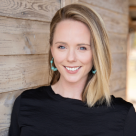
Katie Taylor, CCLS, CEO & Founder, Child Life On Call
Katie is a certified child life specialist, podcast host, and CEO + Founder Child Life On Call. With the expertise of a child life specialist and the heart of a momma, Katie’s passion is supporting parents, kids, and the care team with the tools they deserve so they can go from overwhelmed to empowered during medical situations. With over a decade of in-hospital experience, Katie has helped hundreds of families cope with and navigate challenging life events.
Katie graduated from the Pennsylvania State University and has studied and worked at facilities like Children’s National Medical Center, Inova Children’s Hospital, Dell Children’s Medical Center and St. David’s Children’s Hospital. She authored her first children’s book, Super Silly Wash Your Hands Dance, in early 2020 and has been featured in the media as a child development expert. When she’s not doing all things Child Life On Call, she loves spending time in the great trails of the Hill Country with her husband and two children, listening to audiobooks and visiting local Austin breweries.
about the author
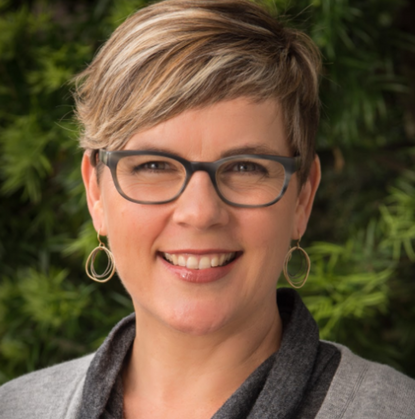
Audrey Vernick is our Director of Patient and Family Advocacy. She is the parent of a child who had hemispherectomy for seizures caused by stroke. She holds a level 2 certification in Special Education Advocacy Training from the Council of Parent Attorneys and Advocates and is certified by The ARC in future planning. She also serves on the International League Against Epilepsy’s Social Work and Social Services Section.