
When a child’s seizures don’t stop with medicine, time is critical. But finding the right care, and being able to travel to it, is a huge hurdle for many families. Getting to a specialized epilepsy center often requires traveling long distances, placing heavy financial stress on families who are already overwhelmed.
Through our Dreams for Danny Surgical Evaluation Travel Scholarship, we help cover travel costs so families can access presurgical evaluations at Level 4 pediatric epilepsy centers (top-level specialized hospitals) across the country. Since the program started, our scholarship program has helped almost 200 families from 47 states reach 38 Level 4 epilepsy centers. Here is what our data tells us about the children we serve and why travel support matters.
What Our Data Tells Us About the Journey
The information families shared with us shows the heavy burden of drug-resistant epilepsy:
- Over 80% of families report that their child had uncontrolled seizures for at least 2 years before an evaluation. Many children have lived with seizures every day for 4 to 10 years or longer.
- About 60% of children had their first seizure as babies or before age 3. Most of these children never achieved lasting seizure control with medicine alone.
- 74% of children tried and failed 4 or more anti-seizure medicines. Studies show that if two medicines fail, a third medicine has less than a 5% chance of working. These children should have been referred for surgery much earlier.
- Children ages 6 to 10 make up the largest group at 40%.
- Ages 0–5: 19%
- Ages 6–10: 40%
- Ages 11–15: 23%
- Ages 16–20: 17%
- Ages 21 and older: 1%
What Published Research Says About Early Surgical Evaluation
Published research strongly supports what our scholarship program data shows:
- Delaying Surgical Evaluation Impacts Seizure Outcomes: A 2026 study across multiple hospitals showed that waiting more than a year for a surgical evaluation after finding out a child’s epilepsy doesn’t respond to medication lowers their chances of becoming seizure-free. Despite this risk, almost half of these children still face long delays to surgical evaluation. (Samanta et al., 2026).
- Longer Delays Mean Worse Outcomes: A 2026 study in Finland showed that the longer a child lives with uncontrolled epilepsy before surgery, the harder it is to achieve complete seizure freedom later (Zheng et al., 2026).
- After Two Medications Fail, Additional Medications Are Unlikely to Work:
When two carefully chosen seizure medications don’t stop a person’s seizures, trying a third medication works less than 5% of the time. At this point, doctors consider the condition drug-resistant epilepsy, and experts recommend immediately exploring non-medication options like surgery or specialized diets. (Kwan & Brodie, 2000).
- Stopping Seizures Protects Brain Development: A 2024 paper that looked at multiple studies showed that using surgery to stop seizures early prevents further brain damage and protects a child’s ability to learn and think long-term. (Stefanos-Yakoub et al., 2024).
- Surgery is Underused: Many studies show that surgery for childhood epilepsy is rarely used, leaving many children to suffer through years of trying medications that don’t work simply because their doctor never referred them to a specialist.
(Samanta et al., 2026; Zheng et al., 2026).
The Hidden Cost: Financial and Emotional Strain
As a caregiver-led organization, we know that caring for a child with hard-to-treat epilepsy affects the whole family. Most of all, parents want their children to go to school, build friendships, and grow into independent adults. With drug-resistant seizures, parents must watch their child constantly to protect them from injury or sudden death from a seizure (SUDEP).
And research supports this. At least 1 in 4 families report heavy emotional and money stress. Costs add up quickly from travel, hotels, missed work, and medical bills. Seizures impact every part of growing up. In school, seizures and drug side effects cause missed days and make learning difficult. Kids often miss out on sports, sleepovers, and birthday parties.
Breaking Down Barriers to Care
Right now, two-thirds of the families we support come from communities far from specialized epilepsy centers.
Scarlett’s Journey to Seizure Freedom
For many families, getting a presurgical evaluation far from home is the turning point they urgently need:
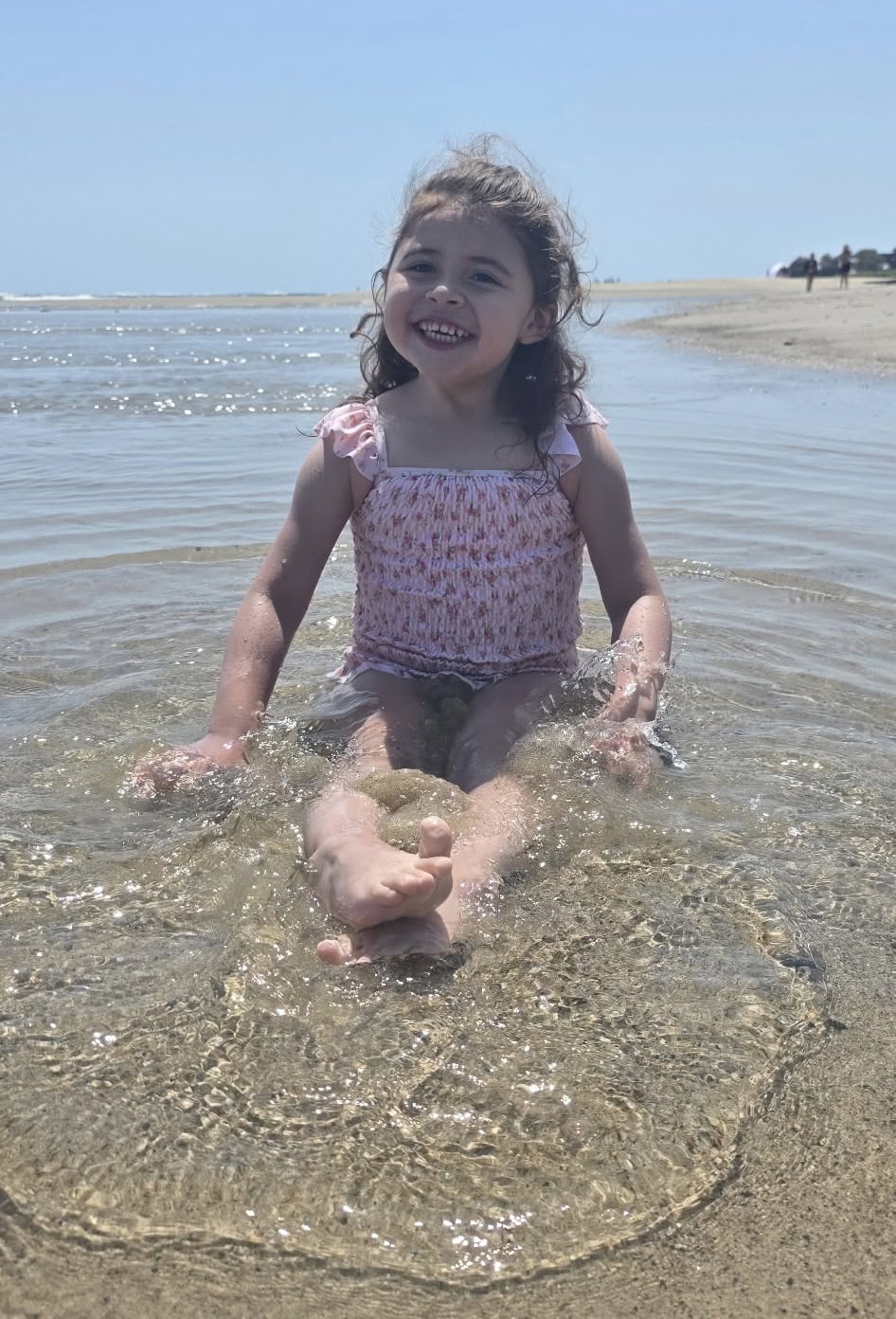
“At 1 year old, Scarlett started having focal seizures that were extremely difficult to control. She failed 6 anti-seizure medications… We quickly learned that seizures can cause neurological damage that leads to developmental delays or even SUDEP. We knew pursuing a presurgical evaluation was the best thing we could do. In February 2024, we flew out of state for presurgical testing. We were thrilled to learn she was a candidate for surgery. Since the day of her operation, Scarlett has never had any of those focal seizures again. A few days later, she started talking, and her development progressed instantly. She was walking the next day after her craniotomy… Thank you PESA for helping fund her presurgical evaluation back in 2024! It saved our baby’s life!”
What Other Families Are Saying
“Thank you for the scholarship that allowed us to travel to a children’s hospital that was able to run tests we otherwise wouldn’t have had access to… The scholarship took a financial burden off our shoulders as we navigated the already expensive journey of drug-resistant epilepsy.”
“We used our scholarship to travel to a large epilepsy center and were given optimism, hope, and clear options. After additional testing and evaluation, our daughter went through multiple surgical procedures and has had significant positive outcomes. This scholarship was wonderful in supporting her surgical journey.”
“Madeleine has a very rare form of epilepsy, ESES. We obtained three surgery opinions from different centers … It was the scariest decision we have ever made, and now she has been seizure-free for one year!”
Frequently Asked Questions
What is the “Dreams for Danny” Travel Scholarship?
The Dreams for Danny Surgical Evaluation Travel Scholarship helps families pay for travel and lodging expenses when traveling to specialized pediatric epilepsy centers for surgical evaluations.
What is drug-resistant epilepsy in children?
Why is early surgical evaluation important?
Sources:
Kwan, P., & Brodie, M. J. (2000). Early identification of refractory epilepsy. New England Journal of Medicine, 342(5), 314–319. https://doi.org/10.1056/NEJM200002033420503
Samanta, D., et al. (2026). Delayed Surgical Evaluation After Drug-Resistant Epilepsy Diagnosis Worsens Outcomes in Children: A Multicenter Study. Neurology: Clinical Practice, 16(5), e200641. https://doi.org/10.1212/CPJ.0000000000200641
Stefanos-Yakoub, I., et al. (2024). Long-term intellectual and developmental outcomes after pediatric epilepsy surgery: A systematic review and meta-analysis. Epilepsia, 65(2), 251–265. https://doi.org/10.1111/epi.17834
Zheng, V., et al. (2026). Association of epilepsy duration and drug-resistant epilepsy duration with seizure outcomes after epilepsy surgery: a pediatric population-based study. Journal of Neurosurgery: Pediatrics, 38(1), 106–117. https://doi.org/10.3171/2025.12.PEDS25560
about the author
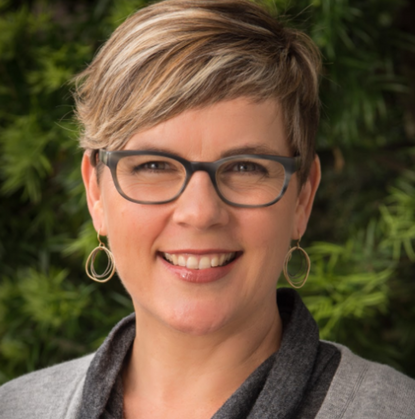
Audrey Vernick is our Director of Patient and Family Advocacy. She is the parent of a child who had hemispherectomy for seizures caused by stroke. She holds a level 2 certification in Special Education Advocacy Training from the Council of Parent Attorneys and Advocates and is certified by The ARC in future planning. She also serves on the International League Against Epilepsy’s Social Work and Social Services Section.